In 2026, we celebrate a century of Kruger National Park. It’s a significant milestone for one of Africa’s most recognised wilderness areas, but the story of Kruger began long before 1926.
The origins of the park can be traced to 1898, when the Sabi Game Reserve was established to protect wildlife in the region. Almost three decades later, on 31 May 1926, the National Parks Act was passed and the Sabi and Shingwedzi reserves were brought together to form Kruger National Park.
A century later, Kruger stretches across almost two million hectares and is known around the world for its extraordinary wildlife and conservation legacy.

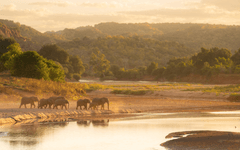
Our slice of paradise
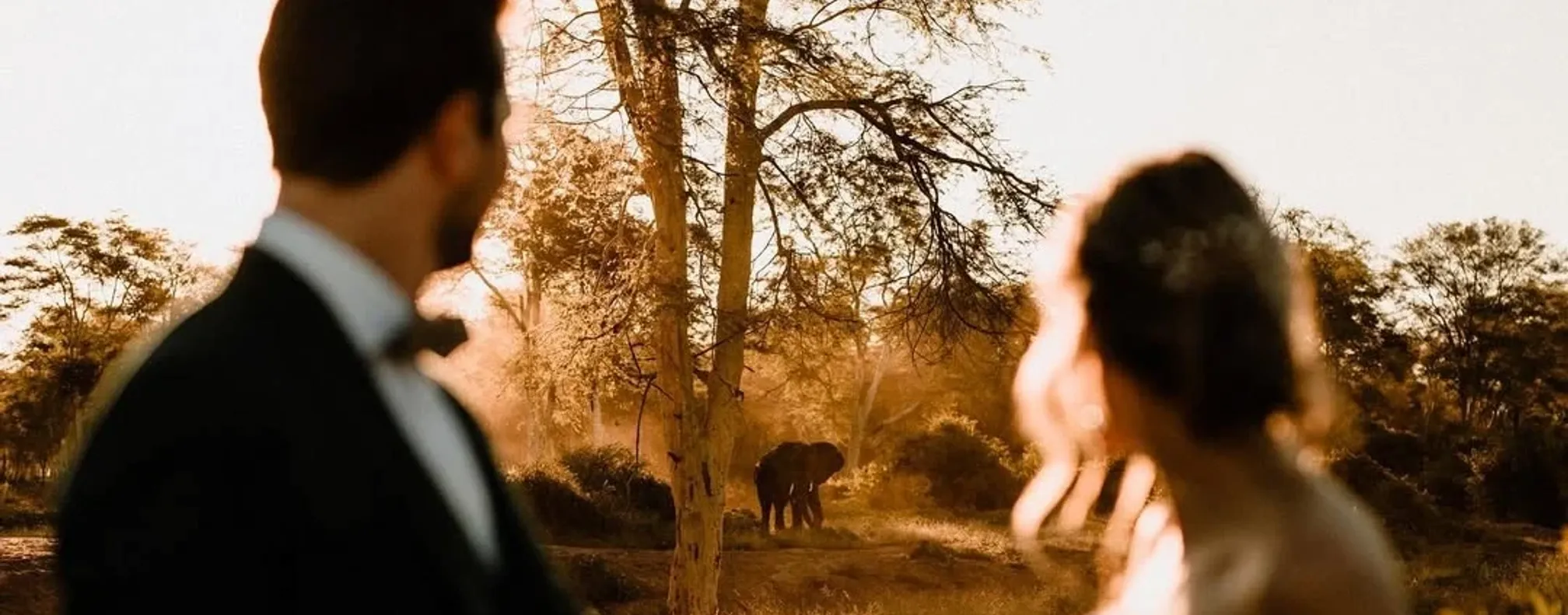
We’re proud to be part of this land, its story and its incredible diversity. Something experienced when traveling to the far reaches of the northern Kruger.
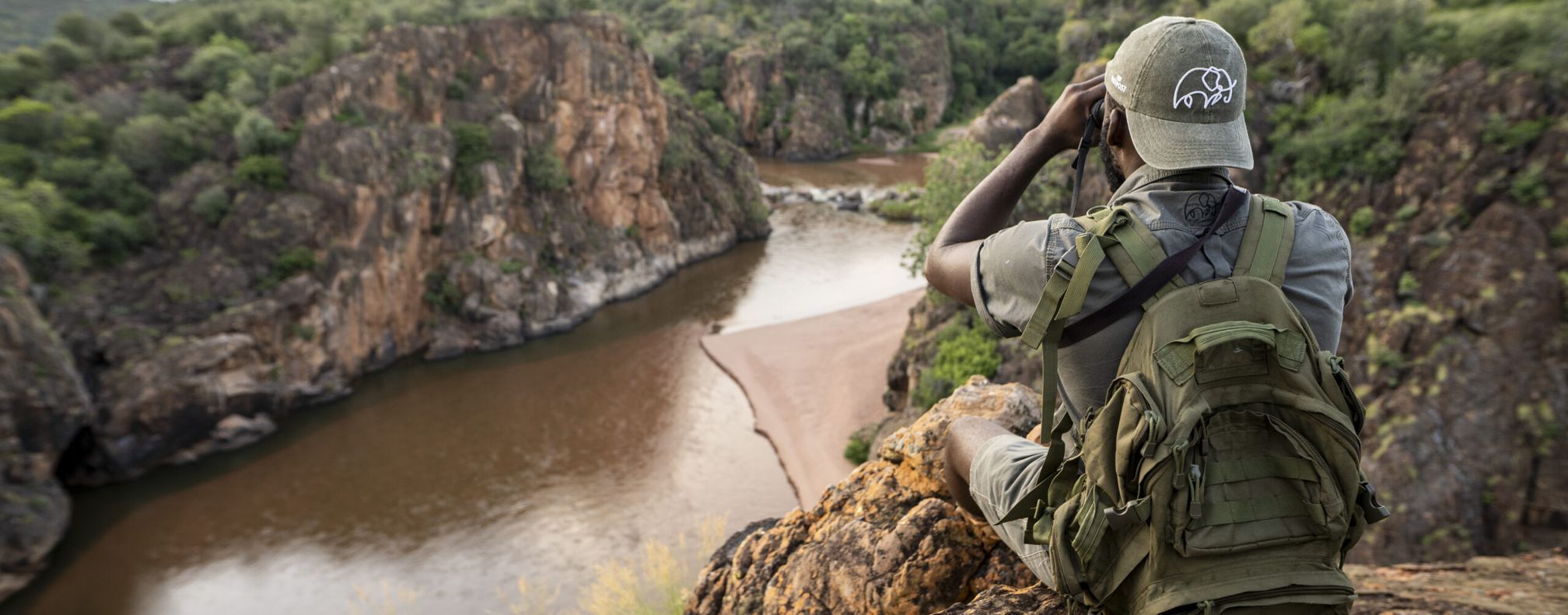
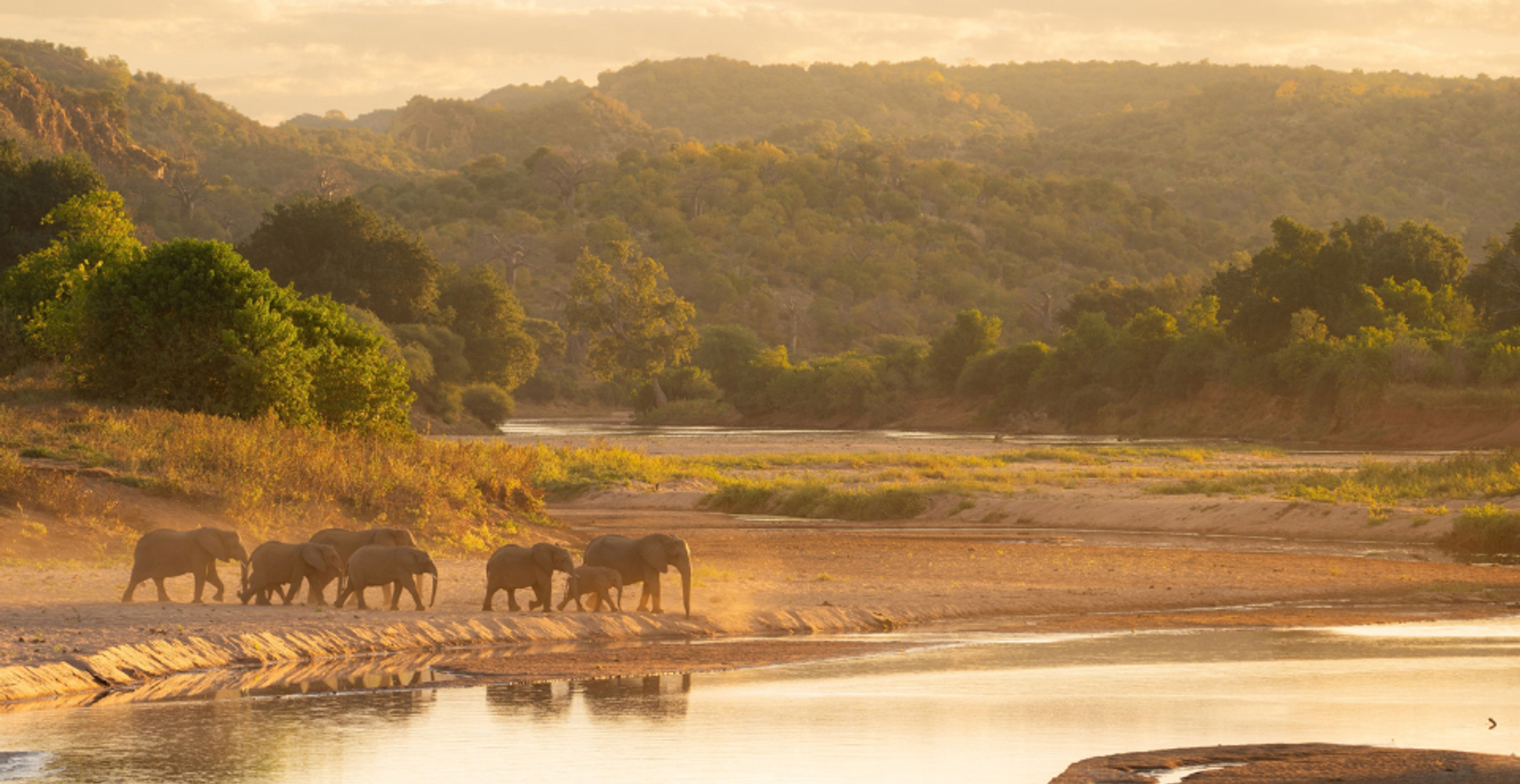
By the time you reach Pafuri and the Makuleke region, at the very northern tip of the park, the familiar expanses of the Lowveld give way to something altogether different. Here, the Luvuvhu and Limpopo Rivers shape a landscape of wide floodplains, riverine forests, ancient baobabs, fever trees, rocky ridges and dramatic sandstone gorges.
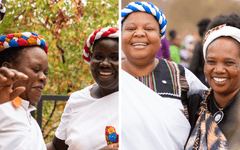
Human history in the greater Kruger landscape reaches back thousands of years and Pafuri in particular has long been a place of movement, settlement and trade. More recently, it was home to the Makuleke people, whose relationship with this land forms an important part of the story of northern Kruger today.
The return of the Makuleke
The Makuleke community occupied an area of approximately 23,700 hectares in and around Pafuri for generations. In 1969, under apartheid, the community was forcibly removed from its ancestral land, much of which was subsequently incorporated into Kruger National Park.
Nearly three decades later, South Africa’s land restitution process offered the possibility of return. The Makuleke community lodged its land claim in 1995 and in 1998 ownership of the land was restored to the community in a landmark restitution settlement.
Rather than remove the land from conservation, the Makuleke chose for it to remain part of the greater Kruger ecosystem. A co-management agreement with SANParks created what is today known as the Makuleke Contractual Park. The community retains ownership of the land and rights relating to its commercial development while also participating in its conservation management. Tourism partnerships within the region contribute to the economic benefit of the community.
It is an important chapter in Kruger’s history and one that reminds us that conservation is not only about protecting wildlife, but also about recognising the people, histories and relationships that have shaped these landscapes.
A landscape unlike anywhere else in Kruger
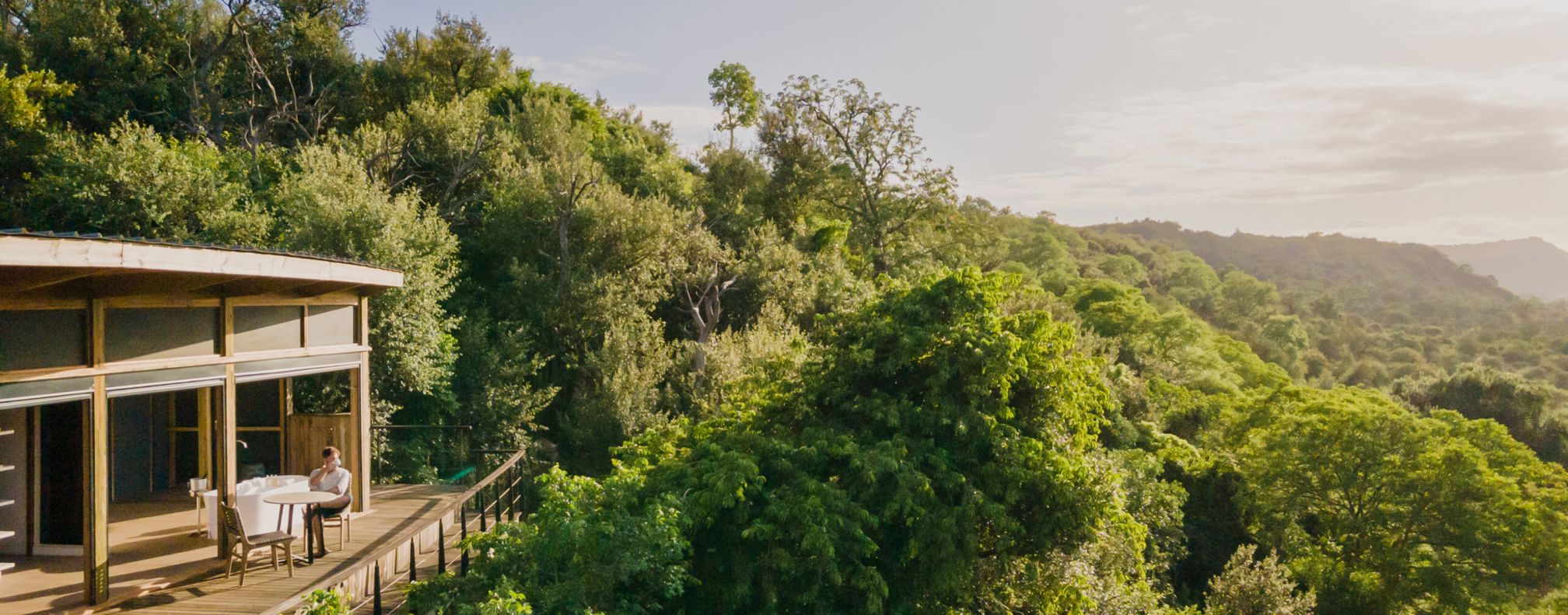
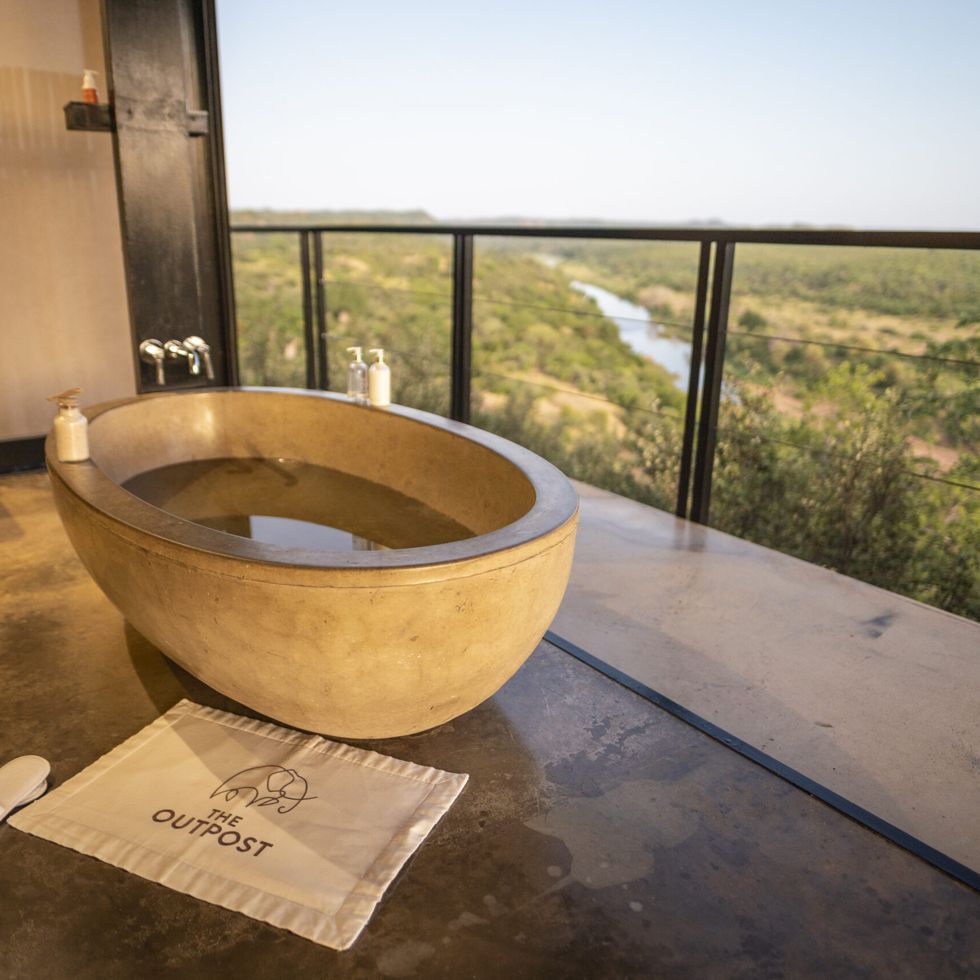
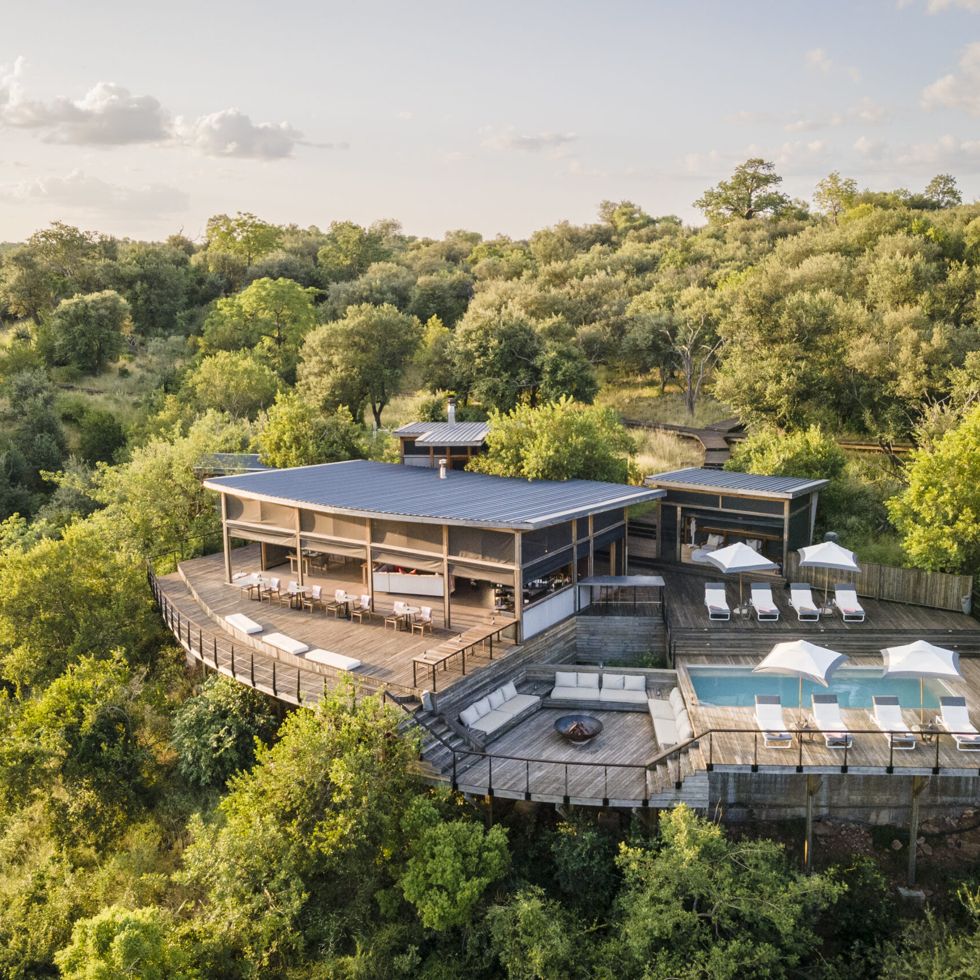
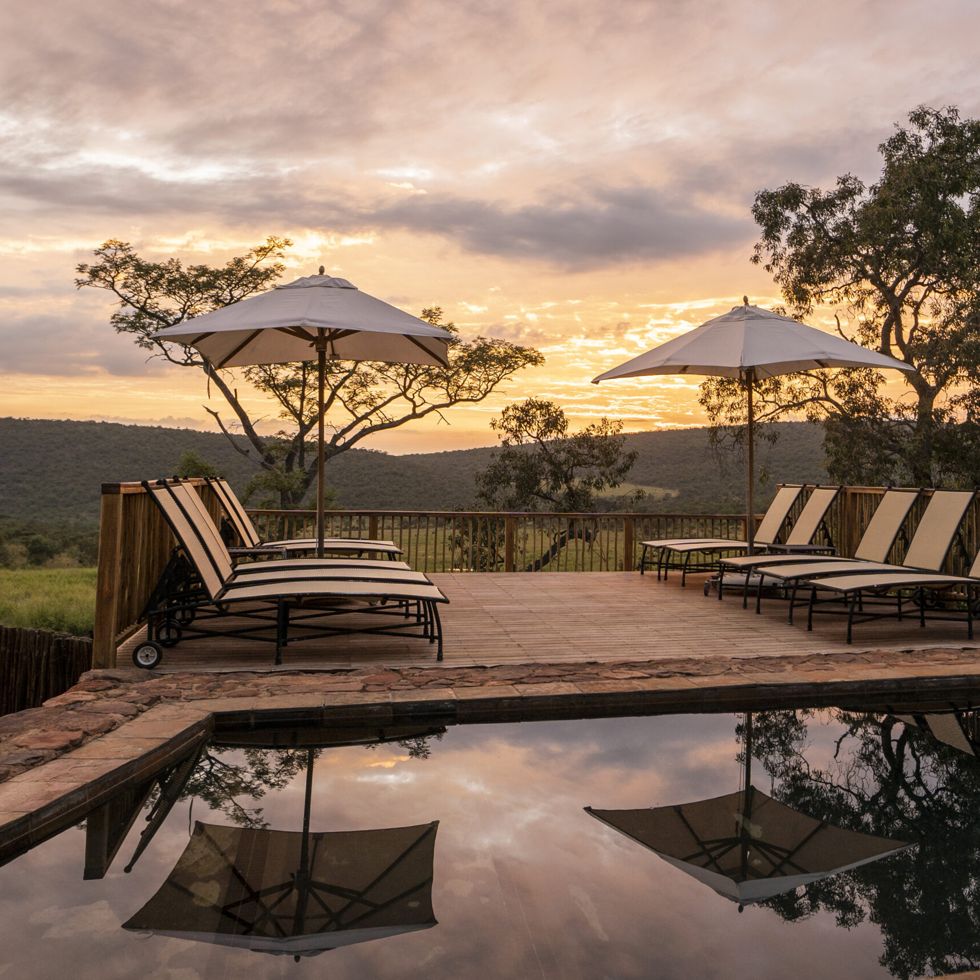
The Outpost sits within this remarkable part of the park, high above the Luvuvhu River in the Makuleke region.
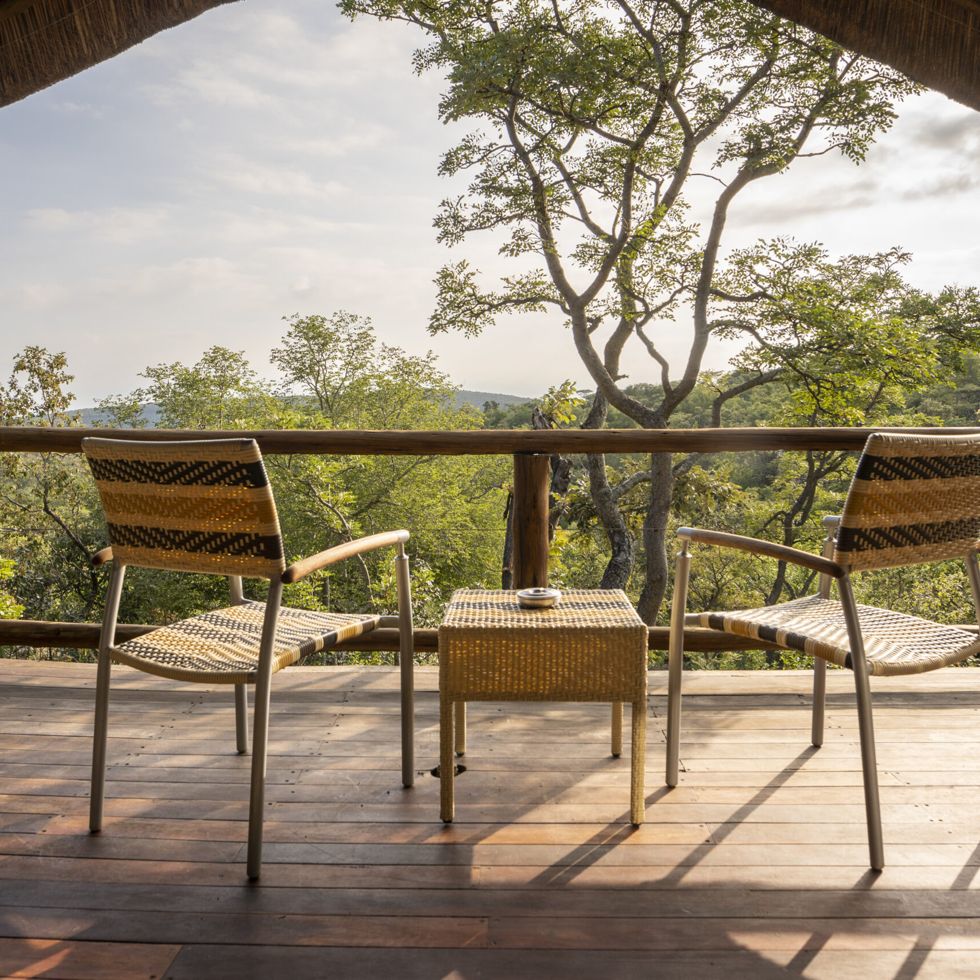
Perhaps what makes this corner of Kruger so memorable is its topography. The landscape shifts and changes as you move through it, creating a sense of scale and remoteness that feels distinctly different from the Kruger further south.
Following the recent storms, we’ve been working hard to restore The Outpost, with an even greater emphasis on its connection to the wilderness. The renewed experience has been considered to ensure the lodge never distracts from its surroundings, but instead creates the space to fully immerse yourself in the remote landscape, its wildlife and the freedom of being this far into the wild.
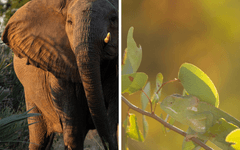
Looking towards Kruger’s next century
A hundredth anniversary naturally asks us to look backwards. To consider what has changed, what has endured and what we have learned along the way.
But it also asks us to look forward.
As Kruger enters its second century, we find ourselves doing the same at The Outpost. Looking ahead to 2027, we are preparing to welcome guests back to this extraordinary corner of Kruger and cannot wait to once again share the landscapes, wildlife and stories that make northern Kruger so distinctive.
After 100 years of Kruger National Park, this place still has a way of making you feel as though you are seeing the wild for the very first time.
We can’t wait to welcome you back.